Headless vs Traditional E-commerce: Which Is Right for Your Store?
Headless commerce promises speed and freedom, but it isn't for everyone. A practical guide to choosing.
Sepiora team · · 6 min read
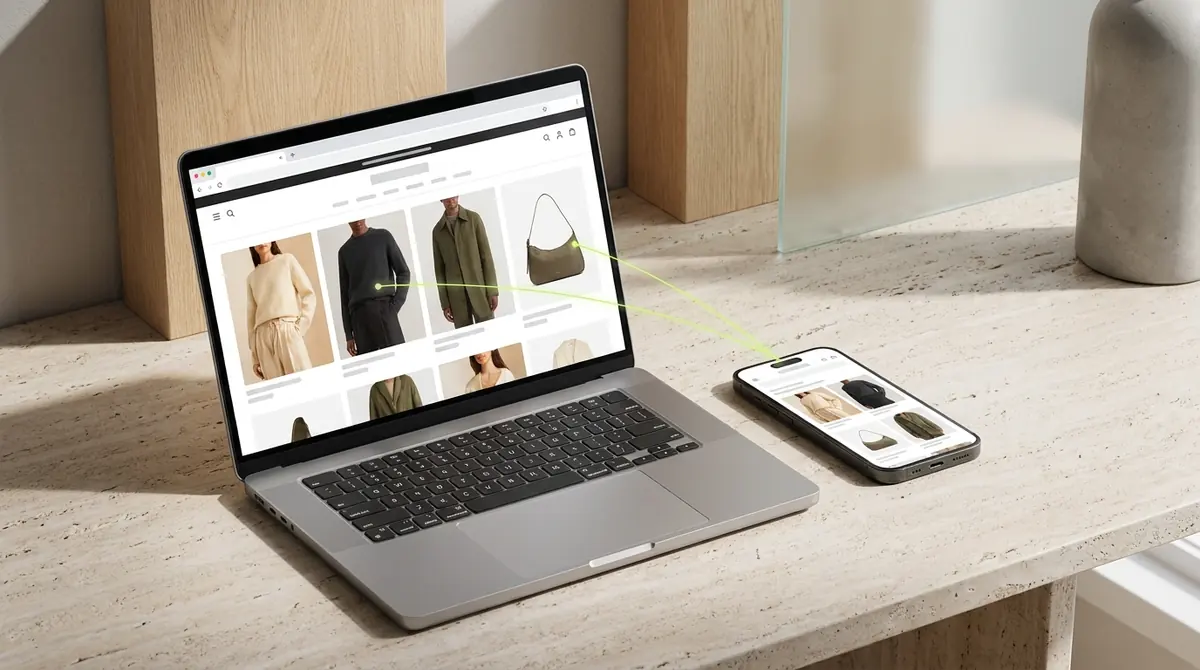
In a traditional setup, your platform (Shopify, WooCommerce, Magento) runs both the back end and the storefront customers see. In a headless setup, the platform handles products, orders and checkout while a separate front end, often built with Next.js or Hydrogen, delivers the experience.
What headless gives you
- Faster pages and better Core Web Vitals
- Complete design freedom beyond theme limits
- One content layer feeding web, app and in-store screens
- Easier blending of rich content with commerce
What it costs you
Headless means more engineering. You maintain a separate front end, rebuild features that themes give you for free, and need developers for changes a theme editor would handle. Total cost of ownership is usually higher.
A simple way to decide
Stay traditional if a well-built theme meets your needs and your team edits the store daily. Consider headless when performance is directly tied to revenue, your brand experience is a differentiator, or you're serving several channels from one catalogue.
A middle path
Many brands get most of the benefit with a fast, custom theme plus a few headless pages, such as editorial landing pages, rather than going fully headless on day one.
Planning a project? Book a free 30-minute call or tell us what you’re building. Already have a site? Get a free audit.